


Awe isn't just found in Mountains.
Updated: Mar 19
How to experience wonder even in small cities like Singapore.
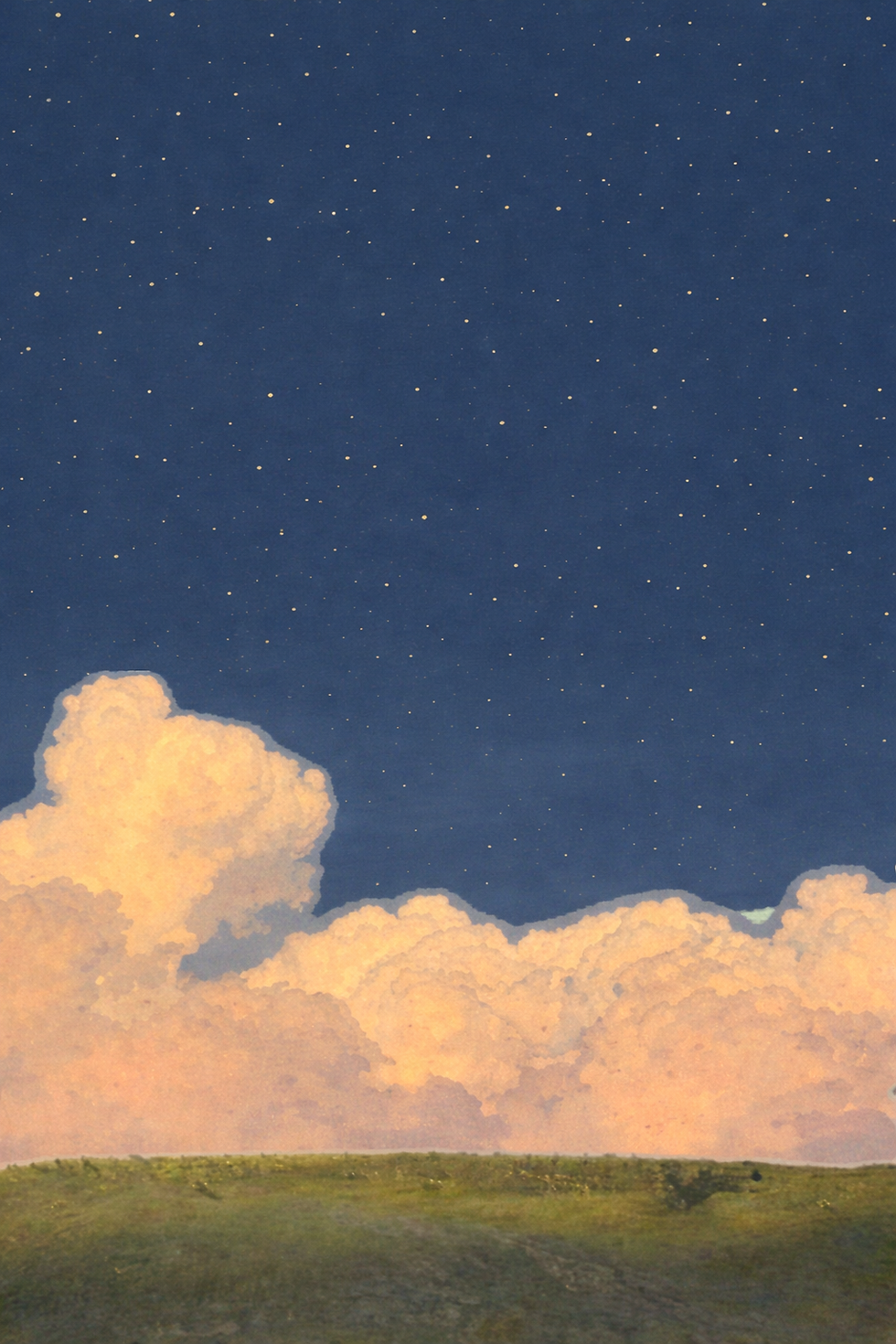
For a long time psychology focused mostly on negative emotions: fear, anger, anxiety, sadness.
But in recent years researchers have begun studying a different kind of emotion — one that quietly changes the way we see the world.
Awe.
Psychologist Dacher Keltner and colleagues at University of California, Berkeley define awe as the feeling we experience when we encounter something vast that expands our understanding of the world.
Traditionally, we associate awe with dramatic landscapes:
Mountains
Oceans
Vast deserts
The night sky
But the research reveals something surprising. Awe is not just a pleasant emotion — it has measurable psychological benefits.
The psychology behind why awe feels so powerful
One of the most fascinating discoveries about awe is what it does to the mind. Psychologists have found that awe temporarily reduces what researchers call the “ego spotlight.”
Most of the time, our attention is focused inward — on our worries, our problems, our identity, our place in the world.
But awe shifts that attention outward.
For a moment, the mind stops circling around the self and becomes absorbed in something larger.
This is why people often report that awe:
quiets anxious thoughts
reduces rumination
makes personal problems feel less overwhelming
It’s not that our problems disappear.
It’s that our perspective expands.
And when the mind expands, the weight of our worries often shrinks.
In one study, participants who took regular “awe walks” reported greater life satisfaction and less emotional distress.
But most descriptions of awe assume access to nature.
Which raises an interesting question.
What if you live in a dense city?
What if your daily view is glass, concrete, and traffic?
Especially if you, like me, live in a place like Singapore. A concrete jungle with our highest mountain being Bukit Timah hill. And seas that are murky and our horizon perpetually desecrated by ugly, rusty cargo ships Or smoky views of our neighbouring countries.
Does that mean awe is harder to find?
Psychology suggests the opposite may be true.
Awe isn’t about scenery — it’s about perspective.
Researchers discovered that awe does not come only from nature.
It can also come from:
art
music
architecture
scientific discovery
spiritual experiences
moments of human kindness
What matters is that the experience makes us feel part of something larger than ourselves.
Psychologists sometimes call this the “small self” effect.
When people experience awe, their focus on personal worries temporarily shrinks. The mind becomes quieter. Problems that felt overwhelming suddenly appear smaller within a larger perspective.
In other words, awe interrupts the mental loop of rumination.
Which may be why many people describe awe with the same paradox:
they feel smaller — and yet more alive at the same time.
Awe in unexpected urban places
Cities contain far more opportunities for awe than we usually notice. Even in a dense place like Singapore, moments of wonder are quietly scattered across the island. Sometimes all it takes is stepping slightly outside your routine and paying attention to what is already there.
Here are some places and experiences that can spark that sense of wonder, at least for me :-)
Walk above the rainforest canopy
At the MacRitchie Treetop Walk, you cross a suspended bridge high above the forest canopy.
For a few moments, the city disappears. All around you is an endless sea of green stretching across the island.

Looking out across the forest often triggers that classic awe response — the realization that nature continues quietly alongside urban life.
Sometimes i like to take a long walk all the way from Upper Thomson through Macritchie to Bukit Timah too. It always astonishes me how easy I forget that there is still so much nature in Singapore.
Watch the city from a sculptural bridge
The flowing wooden structure of Henderson Waves looks almost organic, like a giant wave frozen in place.
At sunset, when the sky turns gold and the city lights slowly begin to glow, people often experience that subtle “small self” moment psychologists describe — realizing they are one life within a vast, living city.

Discover wild wetlands
Many people forget how much wildlife still exists here.
At Sungei Buloh Wetland Reserve, quiet boardwalks pass through mangroves where migratory birds, mudskippers, monitor lizards, and sometimes even crocodiles move through the wetlands.
Standing still here often evokes awe because it reminds us that modern cities are layered on top of far older ecosystems.

Step into an older version of the island
Visiting Pulau Ubin can feel like stepping into another era.
The quiet village roads, dense jungle, and the tidal flats of Chek Jawa Wetlands reveal a side of Singapore that existed long before skyscrapers.
Moments like this expand our sense of time — reminding us how much life and history exist beyond the present moment.
Plus check this sight out.

Spend a night on Lazurus Island.
Personally this is my favourite haha. hopping onto a ferry with both my dogs, and then spending the afternoon on a quiet stretch of beach before we clean up and go for a sunset walk.
Then a BBQ ensues right outside our super comfy glamping tent or cabin.
And a day remembering how short life is and how its moments like thjs that matter.

Explore a hidden reservoir
Tucked away near the southern ridges lies the little-known Keppel Hill Reservoir.
Hidden behind forest trails, the quiet water and surrounding greenery feel unexpectedly wild for a location so close to the city centre.
Places like this often evoke awe because they break our assumptions about what a city should look like.

Stand beside one of the island’s oldest forests
The boardwalk at Lower Peirce Reservoir Park passes through one of Singapore’s oldest secondary forests.
Some trees here have stood for more than a century.
Watching the forest reflected in still water creates a quiet sense of scale — a reminder that nature has been here far longer than the city around it.

Visit Singapore’s only hot spring (go early!)
Few people realize that a natural hot spring exists in the north of the island.
At Sembawang Hot Spring Park, geothermal water bubbles up from the earth, and visitors often sit quietly soaking their feet.
There’s something quietly awe-inducing about encountering geothermal activity in the middle of a modern city.
Explore wetlands and open skies
The wide marshlands of Kranji Marshes offer rare open horizons.
Watching migratory birds pass overhead across the wetlands can evoke the same feeling of vastness people often seek in national parks.

Awe through art and human creativity
Awe doesn’t only come from nature. Human creativity can evoke it just as powerfully.
The contemporary galleries at Gillman Barracks, tucked inside a former military compound, create a quiet intersection between art, history, and tropical greenery.

Or consider the experience of live music at Esplanade – Theatres on the Bay.
Powerful music often triggers chills — a physical response linked to awe.
Public art can also transform everyday spaces. Walking through colourful streets like Haji Lane sometimes feels like moving through an open-air gallery.
These moments remind us that awe is not just about nature’s grandeur. It can also come from witnessing what humans are capable of creating.
Awe can be practiced
Perhaps the most hopeful finding in awe research is this:
Awe doesn’t have to be rare.
It can be practiced.
Psychologists sometimes describe it as training our perception for wonder.
You might try:
Looking up at the sky between buildings
Pausing to notice architecture you normally walk past
Listening deeply to music rather than letting it fade into the background
Spending time in small pockets of nature around the city
When we slow down enough to notice these moments, something shifts.
Our perspective widens.
The world feels larger again.
A final thought
Awe isn’t reserved for mountain peaks or the edges of the earth.
Sometimes it appears quietly between buildings, in a hidden forest path, in a piece of music, or in the simple realization that even in the busiest city, we are still part of something vast.
Sometimes wonder was never missing.
We were simply moving too quickly to notice it.
Take care,
Hernping


Comments